Quick answer
Kekova island tours from Kas depart daily between 08:00 and 11:00, with the protected archaeological zone open 08:00–19:00 year-round at no entrance fee. Boat operators navigate a marked corridor above the Sunken City where passengers view submerged foundations, staircases, and amphorae through crystal-clear water—swimming and diving are banned to preserve the ruins. Simena Castle on the adjacent mainland charges a separate fee.
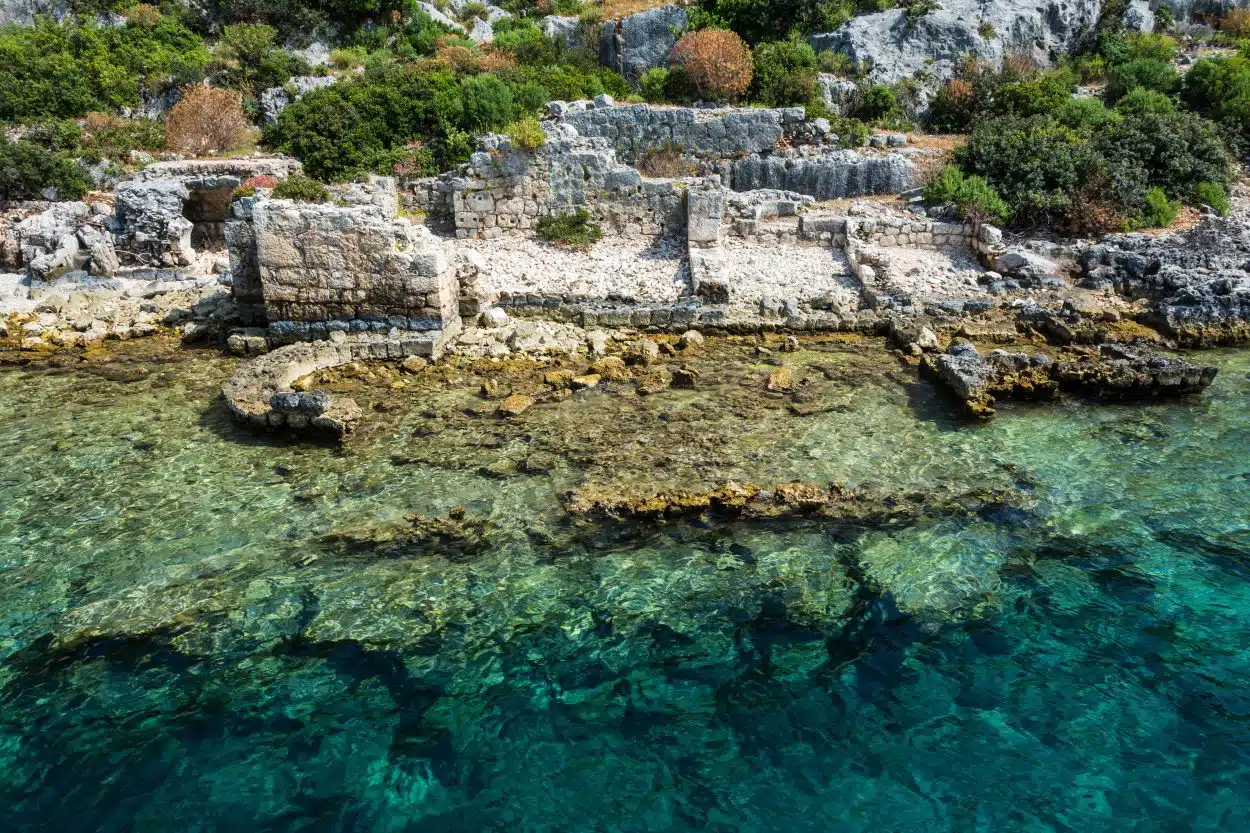
The Sunken City of Kekova lies three to five meters below the surface, visible through the Mediterranean's transparent water as a grid of stone foundations, collapsed walls, and scattered amphorae. A 4th-century earthquake dropped the Lycian settlement into the sea, creating the archaeological corridor that modern boats traverse under strict no-anchor regulations. Tour vessels idle slowly above the ruins while guides point out doorways, staircases carved into bedrock, and the stone quays that once served merchant ships. Kas harbor serves as the primary launch point for the Kekova island tour from Kas, with wooden gulets and modern motorboats departing between early morning and midday. The journey crosses open water before entering the protected zone marked by buoys—captains follow a designated route that keeps propellers clear of submerged structures. Passengers lean over railings to photograph wall remnants and storage jars half-buried in sand, but no one enters the water. The regulation preserves both the fragile ruins and the visibility that makes them accessible without excavation. Simena village, the modern settlement on Kaleköy's shore, offers a hillside Byzantine fortress with Lycian sarcophagi scattered across its terraces. Most boat itineraries include a stop here, giving passengers time to climb to Simena Castle for views across the sunken city corridor and the islands beyond. The castle's small theater, carved into rock, seats ninety and overlooks the bay where Lycian galleys once anchored. Tour operators coordinate lunch stops at waterside restaurants in Üçağız or Kaleköy, where terraces overhang the same clear water that reveals the ruins offshore. The protected area designation means no private kayaks or paddleboards can approach the Sunken City independently—licensed tour boats provide the only legal access. Early morning departures offer the calmest seas and the best light for viewing submerged details before afternoon winds stir sediment. The boat tour from Kas typically runs four to six hours, covering Kekova's northern shore, Simena Castle, and swimming stops at unprotected coves where the seabed holds no archaeological material.
“A 4th-century earthquake dropped the Lycian settlement into the sea, creating the archaeological corridor that modern boats traverse under strict no-anchor regulations.”
Optimal Timing for a Kekova Island Tour From Kas
The best arrival window is 08:00–11:00, as early morning provides the calmest water conditions for observing the Sunken City before the onset of afternoon winds. Planning your excursion during this timeframe ensures superior visibility of the ruins and a more tranquil experience.
May to June
Moderate crowdsWarm, 22°C–28°C. Ideal for swimming and exploration.
July to August
High crowdsHot, 30°C–35°C. Expect peak sun and higher humidity.
September to October
Low to moderateMild, 23°C–29°C. Sea temperatures remain pleasant for snorkeling.
Weekday mornings
Minimal crowds—
Consistent access to calm waters before daily wind shifts.
Verdict: The optimal period is May, June, or October, specifically arriving between 08:00 and 11:00 to maximize water clarity and minimize wind disturbance.
Daily Operating Hours for a Kekova Island Tour From Kas
Tours to Kekova Island from Kas operate on a consistent daily schedule throughout the week. This allows for flexible planning when coordinating departures from Kas harbor.
| Monday | 08:00–19:00 | |
|---|---|---|
| Tuesday | 08:00–19:00 | |
| Wednesday | 08:00–19:00 | |
| Thursday | 08:00–19:00 | |
| Friday | 08:00–19:00 | |
| Saturday | 08:00–19:00 | |
| Sunday | 08:00–19:00 |
Entrance Fees and Costs for a Kekova Island Tour From Kas
Access to the Kekova Island protected area is free of charge. Visitors should note that individual costs for boat transport from Kas and entry fees for specific historical sites, such as Simena Castle, are managed separately.
While the protected zone has no entry fee, travelers typically pay for private or group boat tours from Kas and separate site-specific entrance fees for landmarks like Simena Castle.
Historical Significance of the Sunken City on Your Kekova Island Tour From Kas
The ancient Lycian city of Dolchiste occupied the northern shore of Kekova Island from at least the 2nd century BCE. Archaeological surveys confirm a thriving settlement with stone houses, public buildings, and a small harbor that served coastal trade routes linking Lycia to Rhodes and Cyprus. The city remained inhabited through the Roman Imperial period, when masonry techniques improved and wealthier families built multi-story dwellings with mosaic floors and storage chambers cut directly into bedrock. A catastrophic seismic event in the 2nd century CE triggered subsidence along the island's northern coastline. Entire residential quarters slid into the sea, leaving stone staircases, doorways, and foundation walls submerged beneath shallow water. Byzantine sources from the 4th century describe the island as partially abandoned, though a smaller community persisted in the elevated interior and on the nearby mainland at Simena. During the medieval period, Byzantine and later Venetian mariners used the sunken ruins as navigation markers, and local fishermen harvested stone from accessible walls. Today, visitors on a kekova island tour from kas glide directly above the submerged remains in glass-bottom boats or sea kayaks. Stone blocks, wall fragments, and the outlines of rooms are clearly visible through the turquoise water at depths of one to six meters. Swimming and diving are prohibited to preserve the fragile archaeological zone, but the clarity of the Mediterranean allows detailed observation from the surface. The Lycian necropolis on the adjacent mainland and the Byzantine fortress at Simena Castle provide complementary views of the region's layered occupation, making Kekova boat excursions a rare opportunity to witness an entire ancient neighborhood frozen beneath the waves.
Lycian settlement of Dolchiste established on Kekova Island's northern shore, serving as a minor port in regional trade networks.
Roman Imperial prosperity brings stone construction upgrades, multistory houses, and expanded harbor facilities.
Major earthquake and subsidence event submerges the northern residential quarter, leaving walls and foundations underwater.
Byzantine occupation continues in reduced form on higher ground and at nearby Simena; submerged ruins used as navigation aids.
Venetian and Ottoman mariners chart the sunken city; local communities quarry accessible stone for new construction.
Turkish government declares Kekova a protected archaeological zone, prohibiting diving and anchoring to preserve submerged structures.
Glass-bottom boat tours and sea kayaking from Kaş make the sunken city accessible to visitors while enforcing conservation protocols.
Key Landmarks to See on a Kekova Island Tour From Kas
The Kekova region features a unique collection of coastal ruins and ancient settlements accessible primarily by boat from Kas. These landmarks provide a direct view into the maritime heritage of the Lycian coast.
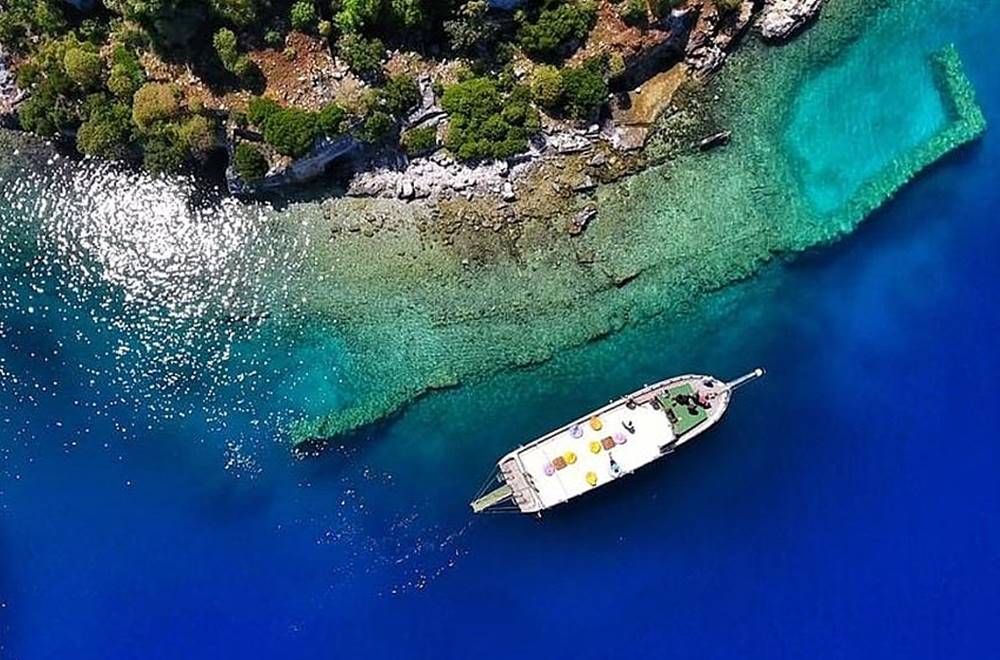
Sunken City (Dolchiste)
Submerged ruins of an ancient city are visible through the clear water from the boat deck.
View from the port side during morning hours for best visibility.
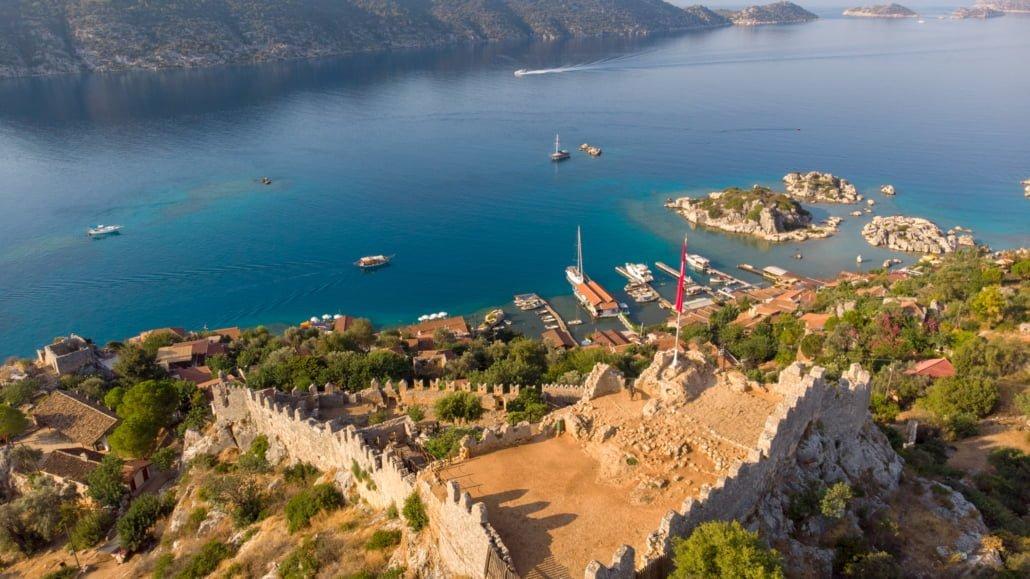
Simena Castle
Located in Kaleköy, this fortress offers views of the surrounding archipelago and remains of Lycian sarcophagi.
Climb to the highest point to see the island panorama.
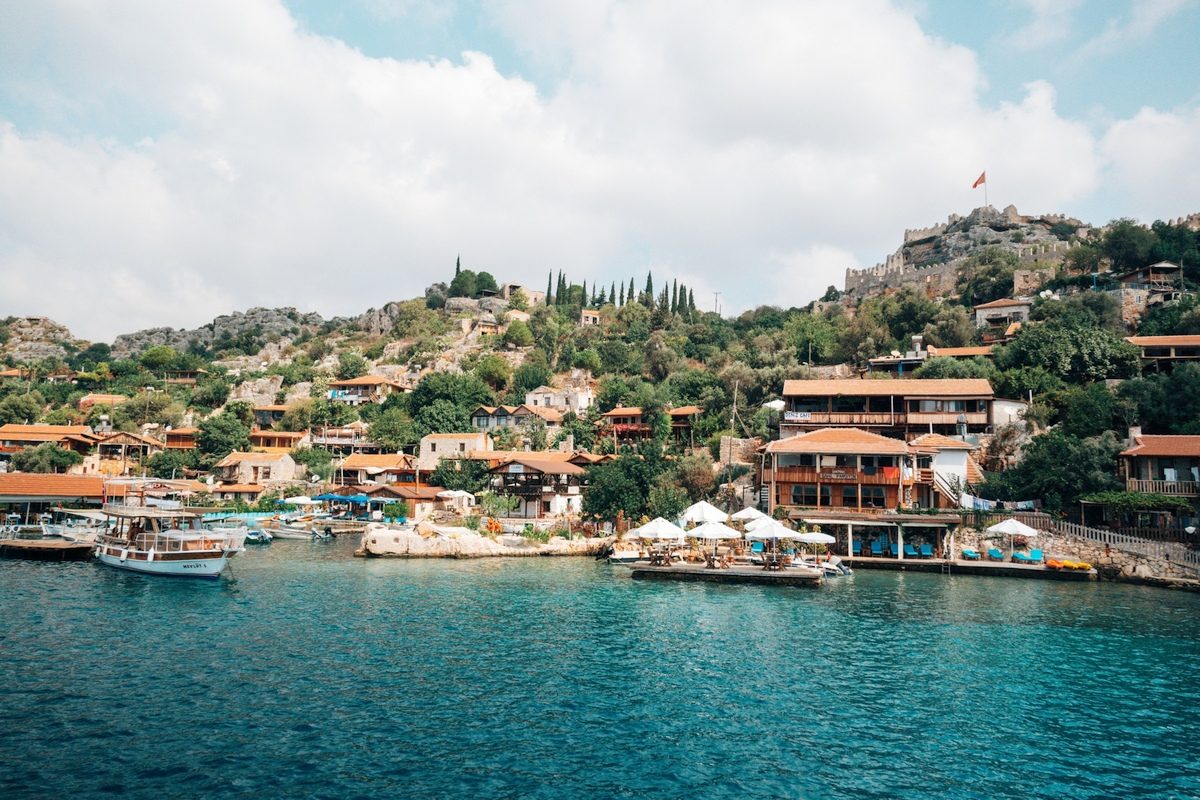
Kaleköy Village
A small, car-free village built upon the ruins of the ancient city of Simena.
Walk the stone paths to find local artisanal shops.
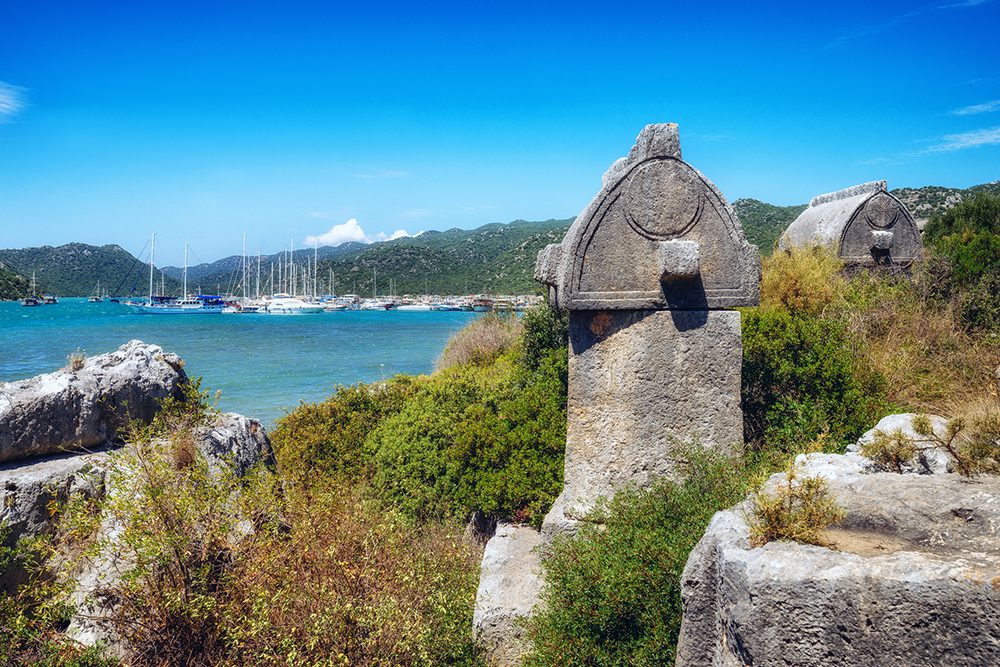
Lycian Sarcophagi
Distinctive stone tombs located both on land and partially submerged in the shallow coastal waters.
Look for the detached tomb lid near the water line.
Preparation Checklist for a Kekova Island Tour From Kas
A few essentials will keep you comfortable and compliant during your boat tour to the protected Kekova area.
-
Book your boat tour in advance — Tours depart early and fill quickly during peak season.
-
Bring valid photo identification — Required for entry to the protected archaeological zone.
-
Pack high-SPF sunscreen and a hat — Minimal shade on boats; Mediterranean sun is intense year-round.
-
Wear non-slip water shoes or sandals — Rocky shores and boat decks can be slippery when wet.
-
Carry a waterproof bag for electronics — Sea spray is common, especially during the crossing to Kekova.
-
Bring sufficient drinking water — Limited refreshment options once you depart from Kaş harbor.
Check availability
Frequently Asked Questions About Kekova Island Tours
Everything you need to know about kekova island tour from kas